

Mississippi State works to understand, secure and advance Mississippi’s Gulf Coast
Mississippi State University’s home lies in central Mississippi, but its land-grant mission means supporting the state beyond its Black Prairie roots—from its Appalachian counties, through the Delta and on to the Gulf Coast.
Those coastal counties account for an estimated $53.2 billion in economic output, according to economists with MSU’s Extension Service—meaning that region alone is responsible for just shy of 15% of the entire state’s economic output.
To support these coast-based economic drivers, Mississippi State has made strategic investments and developed programs designed to help the region prosper.
When a storm barrels toward the shoreline, when seafood harvests rise or fall, when coast-based industries succeed, the ripple effects extend far beyond the water’s edge. That’s why MSU continues to support efforts on the Gulf Coast to protect natural resources, support jobs and strengthen the state’s long-term resilience.
“Mississippi State is committed to positively impacting all areas of our state,” said MSU President Mark E. Keenum. “Our work on the Gulf Coast reflects the land-grant mission at its best. We are applying research, technology and collaboration to safeguard and enhance the coast’s future for the people and communities we have been called to serve.”
MSU’s coastal programs are designed to make an impact and improve quality of life throughout the region and beyond. These programs are working to grow fishing and tourism industries through better aquatic health in the Mississippi Sound; protect life and the coastal environment through advanced computing and data collection capabilities; and defend our state and nation from rapidly increasing cyber threats in business, government and defense.
MSU’s projects and investments on the Coast illustrate the power of long-term commitment and collaboration with a wide range of local, state and federal partners. This integrated and expansive presence positions the university not just to respond to coastal needs but also to help shape what comes next.
Protecting aquatic life and ensuring a healthy Sound
On the Mississippi Gulf Coast, water conditions affect fishing, tourism and the long-term health of ecosystems that support coastal communities. One way Mississippi State researchers measure that health is by studying animals such as bottlenose dolphins and endangered sea turtles that serve as a barometer for the broader ecosystem.
Through MSU’s Gulf Coast Aquatic Health Lab in Gautier, scientists blend veterinary care with applied research as they respond to stranded animals while collecting information that helps agencies understand broader environmental patterns.
“Really, what we’re working to do is identify sustainable solutions, whether that’s helping the state manage waterways better, helping the federal government manage the Gulf, or any number of ways we work to provide solutions for different stakeholders on the Coast,” explained Mark Lawrence, a William L. Giles Distinguished Professor in the College of Veterinary Medicine and director of MSU’s Global Center for Aquatic Health and Food Security, which manages the lab.
Funded by grants through the Mississippi Department of Environmental Quality and the National Oceanic and Atmospheric Administration, the lab’s team treats live, stranded sea turtles—including Kemp’s ridleys, the most critically endangered sea turtle species in the world—and conducts cause-of-death investigations on dolphins that wash ashore.
“Bottlenose dolphins are apex predators,” Lawrence said. “They’re a sentinel species like the canary in the coal mine. What’s happening to them reflects what’s happening throughout the Mississippi Sound.”
Dolphins provide valuable insight because they tend to remain in the same waters throughout their lives, Lawrence explained. When their health changes, it can signal changes in water quality, food availability or other environmental stresses.
Each year, MSU researchers and veterinarians complete dozens of dolphin investigations and sea turtle rehabilitation cases. The findings help partners answer practical questions about emerging patterns and what those trends mean for the Sound’s overall health, which impacts industries like fishing and aquaculture.
Researchers in the lab also identify bacteria and pathogens present in the environment and support broader monitoring of fish and shellfish health.
“We’re not just interested in marine mammals,” Lawrence said. “The oyster industry is reopening after being pretty decimated in 2019. We’re interested in working with our state partners to expand the ways we support the health of many species found in the Sound.”
Students also play a central role in the Gulf Coast Aquatic Health Lab’s work. Community college, undergraduate, graduate and veterinary students assist with sea turtle rehabilitation, laboratory analysis and field research. For MSU veterinary students, the lab offers the uncommon opportunity to work directly with marine animals as part of their professional training.
“The veterinary students at Mississippi State have the opportunity to work with marine animals, and that’s pretty unique,” explained Stephen Reichley, assistant professor in the College of Veterinary Medicine and associate director of the Global Center for Aquatic Health and Food Security. “We’re one of the only veterinary schools in the nation that can say that. It’s something we’re proud of and it adds one more way our graduates can contribute to the field after graduation.”
Looking ahead, lab leaders see the Mississippi Sound as a model for understanding coastal health, driven in part by the lab’s multidisciplinary approach that involves veterinary medicine, ecology and social considerations like business and tourism that impact the community.
“The problems we’re working on are complex,” Reichley said. “They require multidisciplinary approaches. What we learn here can help inform solutions elsewhere. If we can understand what’s happening in the Gulf and in the Sound, that allows us to inform policymakers and researchers in other parts of the U.S. and the world.
“We have collaborators internationally, so we can compare a sea turtle that was stranded in the Gulf to one stranded in the Black Sea, for example, to better understand what is causing the issue,” he continued. “We’re able to find solutions locally but then also work on the global stage to implement solutions in other parts of the world.”
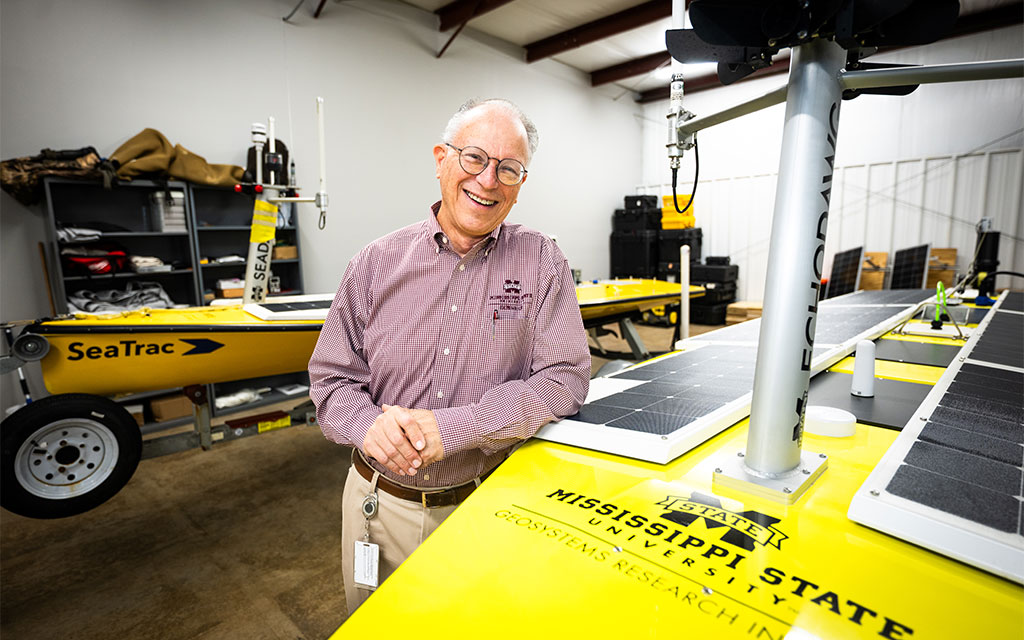
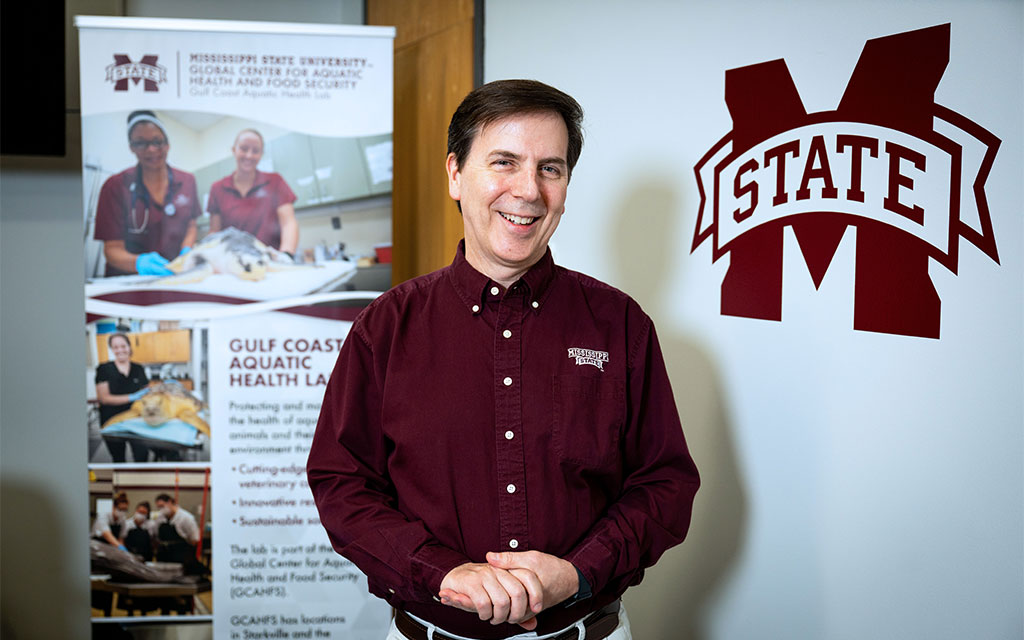
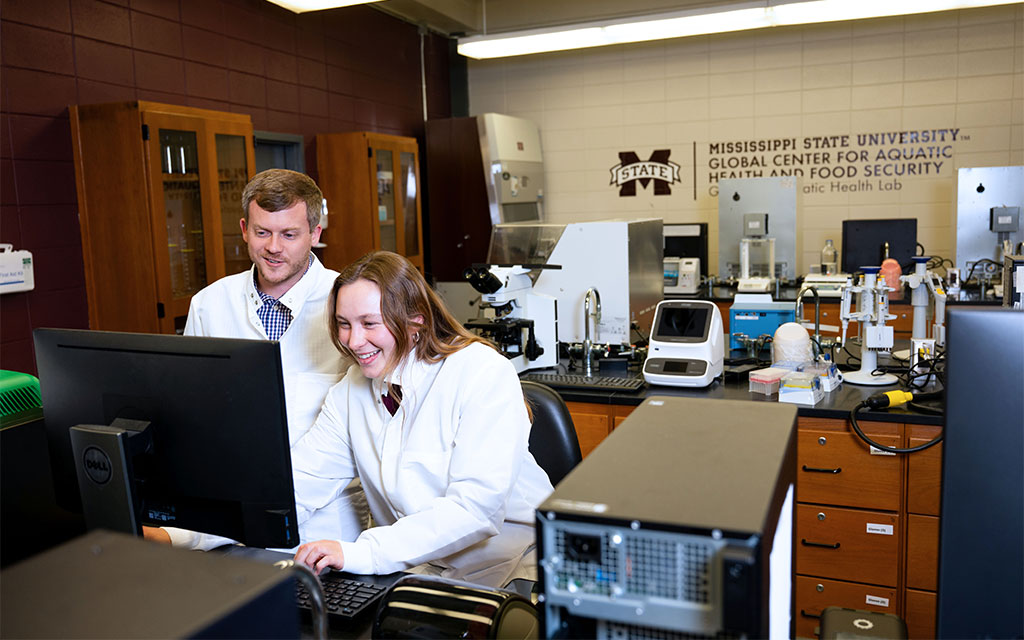
TOP LEFT: Northern Gulf Institute director Robert Moorhead stands with one of the institute’s autonomous surface vehicles used in coastal research and environmental monitoring. TOP RIGHT: Mark Lawrence, director of Mississippi State’s Global Center for Aquatic Health and Food Security, leads research focused on aquatic animal health and the Mississippi Sound. BOTTOM: Stephen Reichley, associate director of the Global Center for Aquatic Health and Food Security, works with Ryanne Murray, a research associate in Mississippi State’s Gulf Coast Aquatic Health Lab.
Turning data into decisions
Understanding the Coast also depends on turning the vast amounts of data the environment provides into usable information. Forecasts for hurricanes, flooding and environmental conditions all rely on complex datasets and powerful computing systems—one of Mississippi State’s well-known areas of expertise.
With that computing prowess, MSU leads the Northern Gulf Institute, a NOAA Cooperative Institute established in 2006 to support Gulf Coast-based scientific investigations. NGI staff help manage scientific data collected during NOAA’s major research cruises and long-term monitoring efforts, ensuring the information is accurate, accessible and usable over decades.
“That’s probably what I’m most proud of,” said NGI co-director Paul Mickle. “What we do with data management has century-based timelines.”
On the Coast, Mississippi State and NOAA personnel have shared a building at the Stennis Space Center since 2012, creating a hub of coastal research. In Starkville, NOAA has invested in supercomputing systems managed by MSU, two of which have been ranked among the most powerful in the world.
NOAA uses these powerful computing systems to run hurricane, flood and weather models. These models inform the tools that guide emergency planning and response for coastal communities. Robert Moorhead, NGI director and a Billie J. Ball Professor in the Department of Electrical and Computer Engineering, said another NOAA system is planned for MSU’s newly constructed High Performance Computing Data Center.
“We work with NOAA to model and predict hurricane paths and intensity better,” Moorhead said. “Better prediction of these storms helps coastal communities everywhere.”
In addition to predicting storms, NGI researchers also work with federal partners to establish new uses for large, uncrewed aircraft systems, or drones, in storm response. By combining drones and advanced capabilities in sensing and data processing, NGI has helped NOAA and the Federal Emergency Management Agency better understand what areas will be impacted during flooding events.
In the aftermath of Hurricane Helene in 2024, personnel from NGI and MSU’s Raspet Flight Research Lab supported FEMA with real-time imagery and data from hard-hit regions of Georgia.
“We’ve been on the cutting edge of NOAA’s autonomy efforts, which has directly led to missions that protect life and property,” Moorhead said. “Over the years we have helped position the state as a leader in autonomous systems research.”
NGI researchers are also developing AI tools to make coastal science faster and less disruptive, such as using artificial intelligence to identify fish species from underwater imagery. Another initiative uses environmental DNA to detect different species and ecosystem changes.
As MSU leads multiple universities through NGI, Moorhead said Bulldogs everywhere should be proud of what the university is doing to advance coastal science, including how data can be collected and processed autonomously, growing the scale of real-time monitoring to support commercial and recreational fishing industries.
“There are only 16 NOAA Cooperative Institutes, and they are highly competitive,” Moorhead said. “I’m very proud of what we’ve been able to accomplish on behalf of NOAA and the people of the Coast since this institute started 20 years ago.”
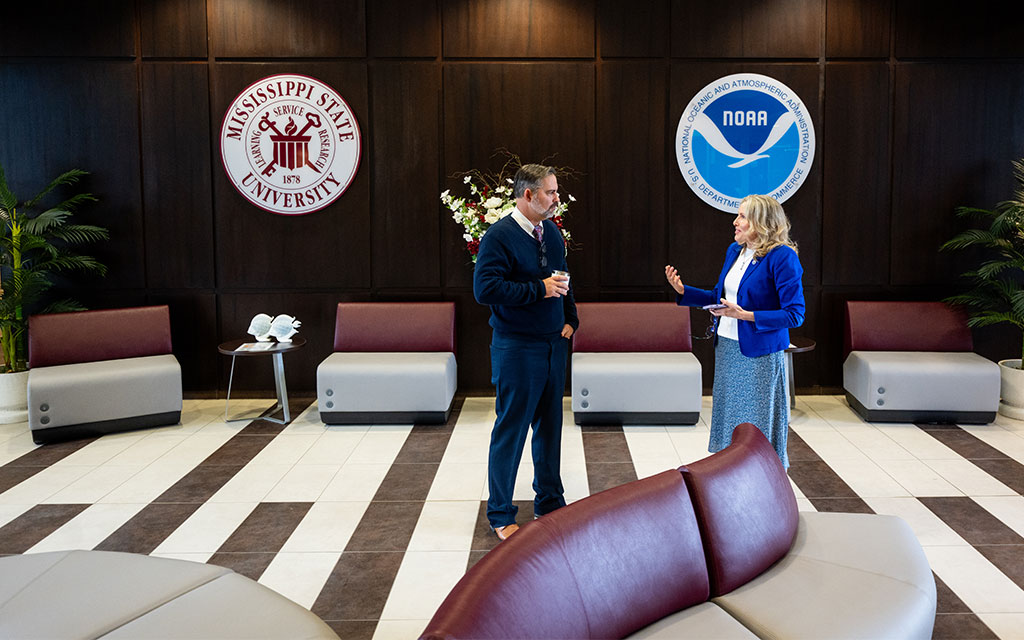
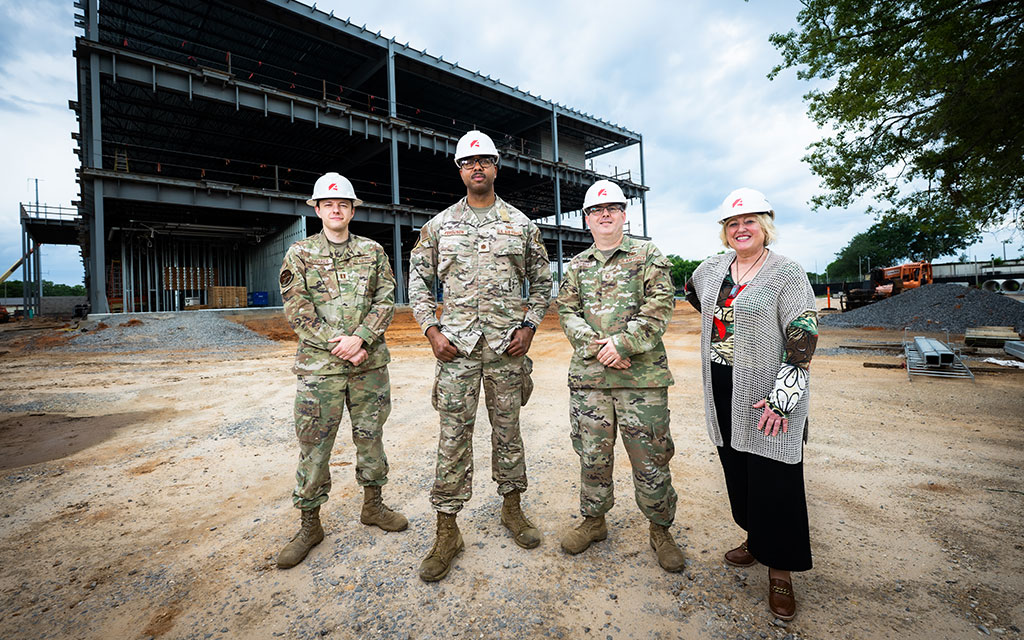
LEFT: Northern Gulf Institute co-director Paul Mickle, left, speaks with Karen Grissom of NOAA’s National Centers for Environmental Information at Stennis Space Center, where Mississippi State and NOAA collaborate on coastal research and data management. RIGHT: At the future Mississippi Cyber and Technology Center in Biloxi, Lynn Soots, far right, joins U.S. Air Force personnel involved with the project’s oversight and development. Pictured, from left, are Capt. Steven Edwards, Maj. James Ferguson and Master Sgt. Eric Herbert, all with the 333rd Training Squadron at Keesler Air Force Base.
Cybersecurity to protect our state and nation
The Mississippi Gulf Coast is also home to shipyards, energy providers, hospitals, schools and defense installations that are important not only to coastal communities but the state as a whole. And they all depend on digital systems that face constant cyber threats.
Mississippi State launched the Mississippi Cyber Initiative in 2021 to address cybersecurity gaps and workforce shortages that could affect these digital systems. A statewide consortium, MCI will soon be housed at the Mississippi Cyber and Technology Center, under construction adjacent to Keesler Air Force Base in Biloxi. The air base serves as a major training hub for the Air Force, preparing the men and women responsible for defending military networks and conducting operations across contested digital domains.
In addition to MSU and Keesler, the initiative brings together partners from law enforcement, education, private industry and the Mississippi National Guard to address the shared cyber challenges that face the state. MCI Director Martin Rivera said collaboration is at the heart of protecting critical digital systems from hacks and other breaches.
“Mississippi’s cyber challenges mirror the nation’s,” Rivera said. “By strengthening collaboration and capacity locally, the state is better prepared to address its own challenges and be a leader in cybersecurity for the country.”
One of MCI’s most immediate impacts has been in the field of digital forensics. By providing advanced tools and expertise through the establishment of a Digital Forensics Lab, MCI helped eliminate major backlogs of digital evidence for crimes ranging from fraud and violent crime to child exploitation. The lab now supports more than 50 law enforcement agencies across the state as they investigate crimes that depend on evidence stored in phones and computers.
The forensics lab currently operates out of MCI’s space on the Mississippi Gulf Coast Community College’s Harrison County Campus, serving as a hub where law enforcement partners can have devices processed and be trained on digital investigation techniques.
“It’s not just about having tools,” Rivera said. “It’s about knowing how to use them correctly, sustainably and legally.”
MCI also operates a cyber-training ecosystem, often called a cyber range, that allows students and professionals to practice defending against and responding to cyber incidents in realistic scenarios such as a breach at a school or hospital. Participants range from high school students to National Guard cyber teams.
Slated for completion in 2027, the 100,000-square-foot Mississippi Cyber and Technology Center will include space for Air Force training, an events center, collaboration areas and private industry suites. In addition to state funding, the project has received private support from Southern Company and Mississippi Power.
Marc McGee, who has led the planning and construction of the building as director of the MSU Research and Technology Corp., said the project will serve as a catalyst for economic development on the Coast.
“This building provides a space for companies in the cyber and technology sectors to grow on the Mississippi Gulf Coast,” McGee said. “With secured and controlled space available, it is a great opportunity for companies that want to be on the cutting edge and work with cyber leaders in academia and defense.”
Col. Chris Robinson, commander of the 81st Training Wing, said the facility gives personnel from all military branches the opportunity to leverage state-of-the-art technology and collaborate with academic and state experts.
“We are most looking forward to the MCTC’s role as a catalyst for innovation,” Robinson said. “By integrating with our civilian and academic counterparts, we are providing our students with growth opportunities that exceed traditional standards. This collaboration enables modernization of our mission sets and will advance the way we maintain security in the cyber domain.”
A Coast shaped by collaboration
Together, these initiatives show how Mississippi State’s investment on the Coast translates into real-world impact. The work protects natural resources, strengthens essential industries, supports public safety and prepares the next generation of professionals.
Scott Willard, MSU interim vice president for research and economic development, said the university’s initiatives on the Coast, like elsewhere in the state, are driven by strong partnerships that strengthen their impact.
“We listen to our partners, we bring people together and we apply knowledge in ways that strengthen communities and advance the public good,” Willard said. “Our work on the Coast is addressing local, state and national priorities, and that’s something we are very proud of.”
By James Carskadon; Photos by Grace Cockrell, Emily Grace McCall and Submitted
Buoying the State’s Seafood Industry: MSU develops first-of-its-kind aquatic food lab
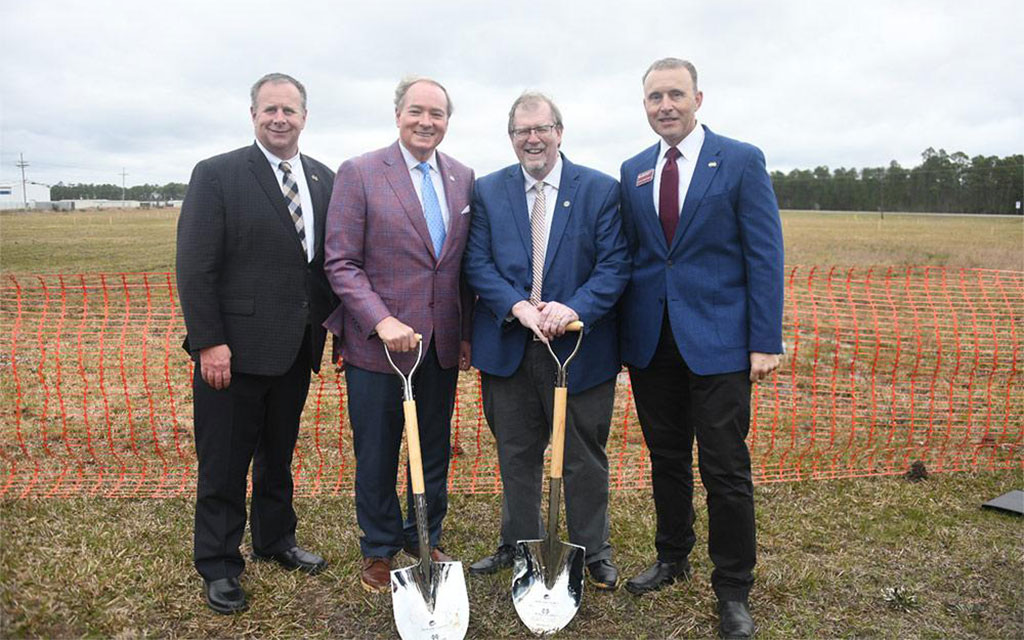
Work is underway on a nearly $8 million Mississippi State laboratory that will enhance and protect the safety of the state’s seafood industry, which is estimated to contribute more than $300 million annually to the Magnolia State’s economy.
Located in Jackson County, the Northern Gulf Aquatic Food Research Center will be the first of its kind in Mississippi dedicated to aquatic food safety, quality assessment, processing and product development. In addition to the seafood industry, the center will also support the state’s catfish producers who in 2025 managed 29,900 acres of freshwater ponds, with an estimated production value of $196 million.
The aquatic-food research center is the first of a three-phase plan that includes construction of a commercially equipped pilot plant for processing and shelf-life research and product development, and development of an incubator space that will aid in transferring new technology to industry for implementation.
The Northern Gulf Aquatic Food Research Center is a joint effort of MSU’s Mississippi Agricultural and Forestry Experiment Station and the university’s Coastal Research and Extension Center. It is made possible by funding from the Mississippi Legislature, the RESTORE Act and the Gulf of Mexico Energy Security Act.
Mississippi State is seeking funding for the completion of phases two and three.
MSU, alumni invest in cybersecure future
Becoming a national leader in cybersecurity research and education didn’t happen overnight. It’s a reputation Mississippi State has built through foresight, planning and strategic investments.
Before cybersecurity was something that affected people’s daily lives, pioneering faculty in MSU’s Bagley College of Engineering began researching and building expertise in keeping networks safe from malicious attacks and unauthorized access.
Today, Mississippi State is a National Center of Academic Excellence in Cybersecurity—a National Security Agency designation it’s continuously held since 2001. MSU is one of only 12 universities—and the only one in Mississippi—to hold all three NSA designations: Cyber Defense, Cyber Research and Cyber Operations. It is also home to the fourth-largest National Science Foundation CyberCorps program, which provides financial support to students who will eventually join the federal information-assurance workforce.
In 2021, Mississippi State launched the Mississippi Cyber Initiative to coordinate the state’s cybersecurity assets, and the university houses the Center for Cyber Innovation—a division of MSU’s Applied Research Collaboratory that works to research and develop next-generation cyber solutions for the defense and intelligence communities.
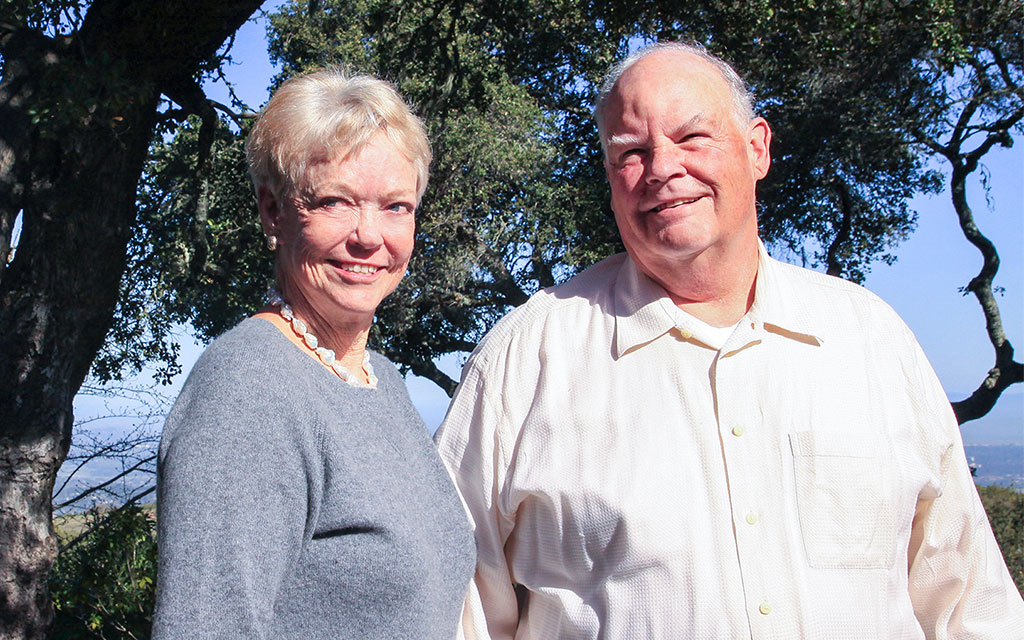
Mississippi State is also home to the Mary Lyn and Niles Moseley Endowed Chair in Cybersecurity. Established in 2017, this alumnus-funded endowment enables the university to attract and retain top cybersecurity faculty—ensuring that MSU remains at the forefront of the field and provides a world-class education to its students.
For those interested in cybersecurity, Mississippi State’s Department of Computer Science and Engineering offers multiple degree options—which can be pursued in-person or online—including Bachelor of Science and Bachelor of Applied Science degrees in cybersecurity and a master’s in cyber security and operations. The department also offers two cybersecurity certificate programs: the Information Assurance Professional Endorsement and the Graduate Certificate in Cyber Operations.
To learn more about cybersecurity research and education at Mississippi State, visit www.cse.msstate.edu.